Reclaimed Attention
The simple act of coming back to what matters.
Return to presence, rebuild coherence, and move from authorship rather than reaction.
When attention settles, the world stops pulling you in every direction. From that steadier place, you can begin to choose how you meet your life.

When Your Attention Isn’t Your Own
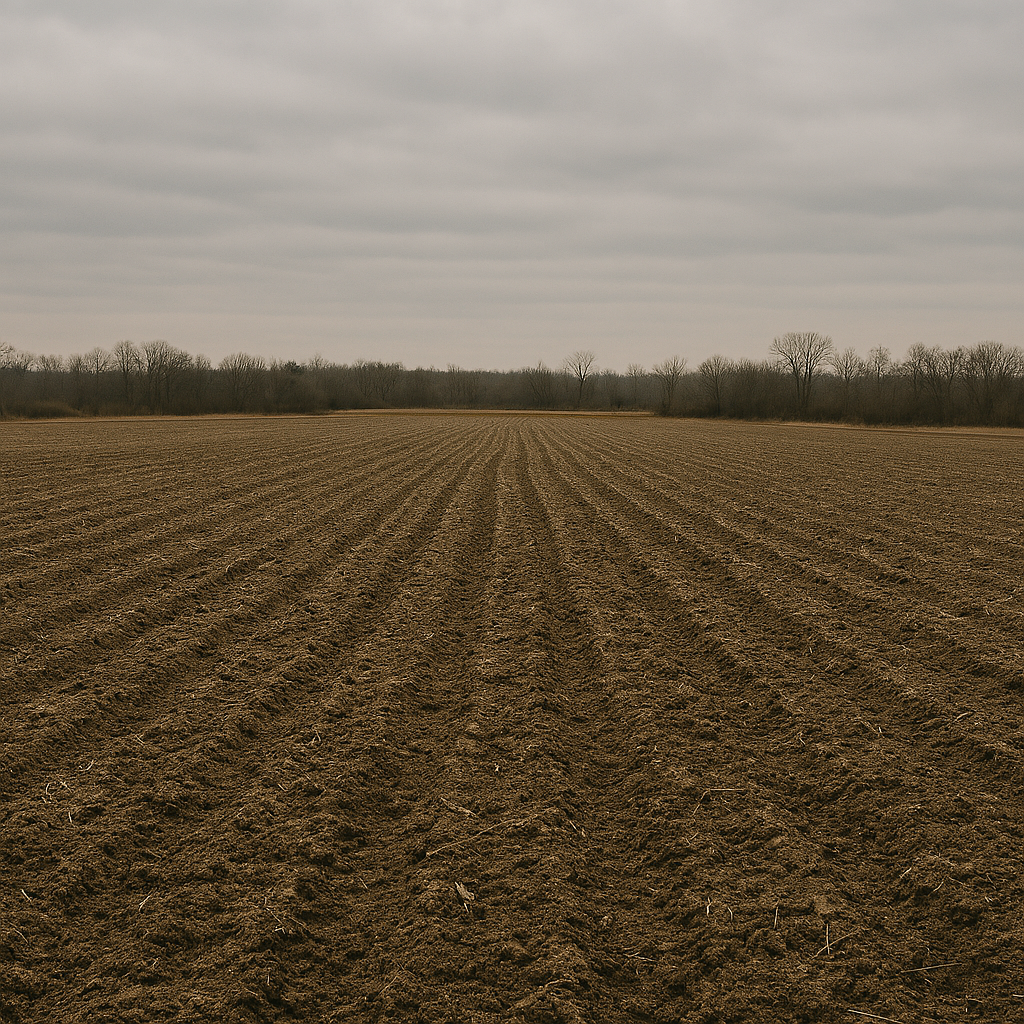
You feel pulled apart. Your days scatter into fragments. You move through tasks without inhabiting them. You’re responding more than choosing, absorbing more than integrating, and losing the thread of your own life in the noise of everything else. This is the first sign that attention — the soil a coherent life grows from — has been stretched thin.

Scattered Attention has a Human Basis
Your nervous system evolved to track threats, novelty, and interruption. Modern life overwhelms the circuitry. Too many inputs, not enough rhythm. Too much urgency, not enough integration. “A life unravels when our attention is pulled from the things that keep us rooted and well.” Reclaimed Attention begins by understanding that nothing is wrong with you — your biology is simply overloaded. Once you understand the biology, you can begin to see the stories that keep the pattern in place.

Stories That Keep You Stuck
When attention frays, the mind misreads the state:
- “If I just push harder, I’ll catch up.”
- “Everyone else seems to handle this.”
- “I don’t have time to slow down.”
- “This is just how life is now.”
These distortions keep you living from reaction instead of authorship.

The Invitation
Reclaimed Attention doesn’t ask you to optimize or perform. It invites you to return to yourself.
- Begin by noticing what’s true.
- Let your pace be set from within.
- Allow your attention to gather in one place.
This is the first movement toward coherence.
The Core Shifts to Reclaim Attention
These shifts are the small movements that help you work with this part of your life in real time. Visitors are welcome to explore the full map of shifts and see the practices connected to each one. Guided practices — the lived, step‑by‑step versions — are available to Wayfarers.

Scattered to Gathered
I want: to feel less pulled apart.
Interpretation: Your attention is stretched thin; you’re longing to gather yourself back into one place.
When your attention is scattered, life feels like it’s happening in fragments. You move from task to task without ever fully arriving, stretched across obligations, expectations, and the quiet pressure to stay responsive. Gathering begins with a small inward turn — a moment of noticing what’s pulling you apart and calling your attention back home. As you soften your pace, your mind starts to settle. Threads that felt frayed begin to weave together again. In this shift, you’re not forcing focus; you’re returning to yourself, letting your presence collect in one steady place.

Externally Pulled to Internally Oriented
I want: to stop reacting to everything.
Interpretation: You’re living in response to external demands; you’re craving your own center of gravity.
When you’re externally pulled, your attention is constantly seized by what surrounds you — notifications, expectations, other people’s urgency. You find yourself reacting before you’ve even felt your own position. The shift begins with a quiet turn inward, a moment of remembering that you have a center. As you pause, you feel the difference between what’s yours and what’s simply arriving at your doorstep. Slowly, you stop living in reflex. You begin responding from within, letting your own orientation set the pace. In this shift, you reclaim the right to move from your own grounded sense of what matters.

Fragmented to Coherent
I want: to feel like myself again.
Interpretation: Your attention is split across too many roles; you’re longing for alignment.
When you’re fragmented, you feel dispersed across the many versions of yourself you’re asked to inhabit. Each role claims a piece of your attention, leaving little space for the person beneath the obligations. Coherence begins with noticing the split — the subtle sense of being everywhere and nowhere at once. As you pause, your inner rhythm resurfaces. You start gathering the pieces, letting them settle into a shape that feels true. In this shift, you’re not trying to become someone new; you’re returning to the self that’s been here all along, waiting for your attention to come home.

Noise to Signal
I want: to know what actually matters right now.
Interpretation: You’re overwhelmed by inputs; you’re seeking clarity.
When life fills with noise, everything feels equally urgent. Your attention scatters across alerts, opinions, unfinished tasks, and the low‑grade hum of “shoulds.” It becomes hard to hear yourself. The shift toward signal begins with a pause — a moment to let the excess settle. As the noise quiets, what matters starts to rise with a different texture: steadier, simpler, unmistakably yours. You begin to sense the few things that truly deserve your presence. In this shift, clarity isn’t forced; it emerges. You’re learning to listen for the signal beneath the static, and to let it lead.

Vigilant to Present
I want: to feel less on edge.
Interpretation: Your attention has been in protective mode; you’re ready for grounded presence.
When vigilance takes over, your attention stays braced — scanning, anticipating, preparing for what might go wrong. It’s an exhausting way to live, even when it once kept you safe. The shift toward presence begins with recognizing the tension you’ve been carrying and letting your body soften by degrees. As you pause, you feel the difference between real threat and old habit. Your breath deepens. Your shoulders drop. The world becomes less sharp. In this shift, you’re not abandoning protection; you’re reclaiming the steadiness that lets you meet your life from here, not from fear.
Continue Exploring Reclaimed Attention
A deeper look at how this condition shapes your inner landscape.
-
Finding Your Way Back When the Brain Has Other Plans
The brain has its own plans — lists, catastrophes, imagined futures. None of it means anything is wrong with you. The work is simply noticing when attention has slipped away and gently guiding it back to what’s here. Presence isn’t a destination; it’s a return you make again and again.

-
On Energetic Grounding in an Age of Constant Activation
We live in a world that thrives on our activation — a constant hum of urgency, vigilance, and emotional baiting. But our bodies weren’t built for this pace, and our lives weren’t meant to be dictated by algorithms or ad cycles. Here at the farm, we practice energetic grounding — a daily return to rhythm, soil, and season. It’s not about perfection or escape; it’s about authorship. About choosing a life that reflects our values, not our notifications

-
Why the Basics Are the First to Go
When life feels urgent, the quiet things—sleep, nourishment, movement—are often the first to go. But these basics shape the conditions of a steady life. This week, the Hermit reflects on why we abandon what sustains us, and how gentle noticing, naming, and integration help us reclaim energy and authorship.

-
On Soil, Capacity, and the Life We’re Actually Living
There’s a saying that floats around from time to time—Bloom where you’re planted. There’s some truth in it. The soil we’re planted in is the set of conditions we didn’t choose: the family we were born into, the world we arrived in, the circumstances that shaped us long before we had any say. It’s tempting […]
-
On What Fills the Field
Some mornings I sit here and notice how easily we crowd the field of attention. Sometimes it’s because something painful is pressing through the cracks—old fears, old griefs, the quiet dread that comes with being a creature who knows he’s finite. Avoidance becomes its own kind of drug then. The more we use it, the […]